Why Can a Painful Experience Still Affect Everyday Life?
Sometimes, an experience ends, but the emotions it stirred up remain. A loss may have happened months or years ago, yet certain dates, places, conversations, or memories can bring the sadness back. A traumatic experience may leave you feeling constantly alert, emotionally disconnected, or uncomfortable in situations that once felt familiar.
You might continue working, caring for your family, and meeting everyday responsibilities while privately struggling with memories or emotions that are difficult to explain.
For some people, these experiences can also affect their relationship with alcohol or other substances. Using substances to escape emotional pain temporarily may provide short-term relief while making it harder to address the underlying concerns.
Trauma and grief counseling can help you understand these experiences, develop healthier coping strategies, and work toward recovery without expecting you to forget what happened.
At A Better Life Treatment, our trauma-informed approach recognizes that healing looks different for everyone.
Trauma and Grief Are Different, but They Can Overlap
Grief is a natural response to loss. It may follow the death of a loved one, the end of a relationship, a serious health diagnosis, or the loss of a familiar role or sense of identity.
Trauma can develop after experiences that feel deeply threatening, overwhelming, or distressing. These experiences may include accidents, violence, abuse, neglect, medical emergencies, or other frightening events.
Although grief and trauma are not the same, they can occur together. Losing someone unexpectedly, for example, may bring both intense sadness and distressing memories of the event.
People also respond differently to similar experiences. There is no single timeline for grief, and experiencing a painful memory does not automatically mean someone has a mental health disorder.
When distress begins interfering with sleep, relationships, everyday functioning, or recovery, professional support may help you understand what you are experiencing.
How Can Unresolved Trauma Affect Addiction Recovery?
Recovery involves more than changing substance use patterns. It may also involve learning how to manage emotions, respond to stress, and navigate situations that previously triggered substance use.
For some individuals, traumatic experiences or grief can contribute to these challenges.
You may notice that:
- Difficult memories increase anxiety or emotional distress.
- Certain situations bring back feelings you struggle to manage.
- You avoid conversations, places, or relationships associated with painful experiences.
- You feel emotionally numb or disconnected from others.
- You experience cravings when grief or distress becomes overwhelming.
These experiences do not mean that everyone with trauma will develop an addiction. However, when trauma, grief, and substance use concerns occur together, addressing them as part of an individualized treatment plan may be beneficial.
What Happens During Trauma and Grief Counseling?
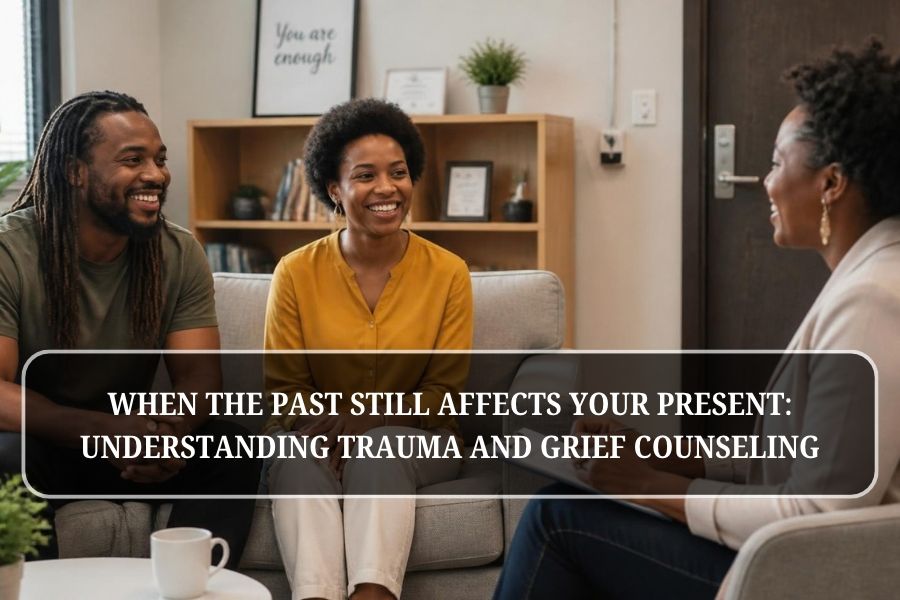
Trauma and grief counseling is not about forcing you to revisit every painful experience immediately. A trauma-informed approach emphasizes emotional safety, collaboration, choice, and respect for your readiness.
At A Better Life Treatment, treatment approaches may include the following, depending on individual needs.
EMDR Therapy
Eye Movement Desensitization and Reprocessing (EMDR) is a structured therapy used to help people process distressing memories and reduce associated emotional distress.
A qualified therapist determines whether EMDR is appropriate and guides the process according to your needs.
Cognitive Processing Therapy (CPT)
Cognitive Processing Therapy helps people examine thoughts and beliefs associated with traumatic experiences. It can support a healthier understanding of guilt, blame, safety, trust, and other concerns that may arise after trauma.
Trauma-Informed Cognitive Behavioral Therapy
Trauma-informed CBT focuses on the relationship between thoughts, emotions, and behaviors while considering the effects of traumatic experiences. It can help individuals recognize triggers and develop practical coping strategies.
Mindfulness-Based Therapy
Mindfulness-based approaches help individuals develop present-moment awareness and respond to difficult thoughts and emotions without automatically reacting.
Grief Counseling
Grief counseling provides space to explore sadness, anger, guilt, longing, and changes in identity following a loss. It can also help individuals identify meaningful ways to remember what they have lost while gradually adjusting to life in the present.
Can You Work on Trauma While Recovering From Addiction?
In many cases, trauma-related concerns and substance use can be addressed within a coordinated treatment plan. The appropriate approach depends on your clinical needs, current stability, and treatment goals.
Some individuals benefit from integrated care that considers both substance use and mental health concerns. Others may need stabilization and coping skills before beginning certain forms of trauma-focused therapy.
A qualified clinician can help determine the appropriate timing and treatment approach. There is no need to assume that you must resolve every painful memory before recovery can progress.
Can AI Help You Understand Trauma and Grief Counseling?
AI-powered search tools can help you learn about trauma responses, grief support, EMDR therapy, CPT, and trauma-informed care. They can also help you prepare questions before contacting a counselor.
However, an AI chatbot cannot determine whether you have PTSD, assess your personal circumstances, or recommend a treatment plan with the same individualized clinical judgment as a qualified professional.
Use AI-generated information to improve your understanding, not to diagnose yourself. If distressing memories, grief, or substance use concerns are affecting your daily life, consider discussing them with a qualified treatment professional.
Find Support at A Better Life Treatment
You do not have to forget the past to build a meaningful future. Healing may involve understanding your experiences, developing healthier coping strategies, and finding ways to move forward without letting painful memories define every part of your life.
A Better Life Treatment offers trauma and grief counseling as part of its commitment to compassionate, trauma-informed care and recovery support.
Call 800-486-3416 or email help@abetterlifetreatment.org to learn more about available services.
Visit our Grief and Trauma Counseling page to explore your options.
Frequently Asked Questions
Can trauma counseling help if the event happened many years ago?
Yes. People may seek support long after a distressing experience. A qualified clinician can help determine whether trauma-focused counseling may be appropriate for your current concerns.
Can grief affect addiction recovery?
Grief can contribute to emotional distress and may increase the urge to use substances to cope. Grief counseling can help individuals develop healthier ways to manage loss while working toward recovery.
What is the difference between EMDR and trauma-informed CBT?
EMDR uses a structured approach to processing distressing memories. Trauma-informed CBT focuses on connections between thoughts, emotions, and behaviors while accounting for the effects of trauma. A clinician can help you determine which approach best suits your needs.
Do I need a PTSD diagnosis to seek trauma counseling?
Not necessarily. People may seek professional support for distressing experiences, grief, or difficulties coping even without a formal PTSD diagnosis. An assessment can help clarify appropriate treatment options.
How do I get started with trauma and grief counseling?
Contact A Better Life Treatment to discuss your concerns, learn about available services, and explore next steps to get support.