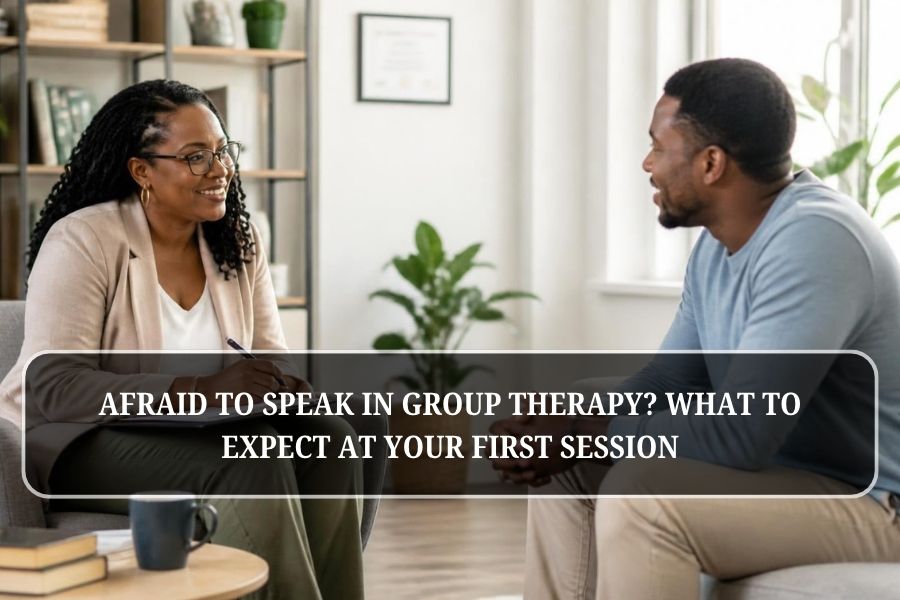
You Don’t Have to Know What to Say Before Joining Group Therapy
Thinking about joining group therapy can bring up a lot of questions. What if you feel uncomfortable? What if someone judges your experiences? What if everyone else seems more confident or further along in recovery?
These concerns are understandable, especially if you have spent a long time dealing with personal challenges on your own.
Group therapy offers an opportunity to connect with others facing similar challenges while learning practical ways to manage emotions, relationships, and recovery. At A Better Life Treatment, licensed therapists guide group sessions in a structured, supportive environment where participants can work toward their goals at their own pace.
You do not need to have the perfect words or share your entire story during your first session. Getting comfortable can take time.
What Happens During Your First Group Therapy Session?
Knowing what to expect can make the experience feel less intimidating.
1. Getting Comfortable With the Group
Your therapist welcomes participants and explains how the session works. You may have an opportunity to introduce yourself, but you should not feel that you must share more than you are comfortable discussing.
2. Understanding Group Guidelines
Participants review expectations around respectful communication, participation, and privacy. These guidelines help create a supportive environment where everyone can contribute.
Although group members are expected to respect confidentiality, no therapist can guarantee that other participants will never disclose something shared in a session. Your therapist can explain the applicable privacy rules and their limits.
3. Exploring a Topic Together
Sessions may focus on addiction, mental health, stress management, relapse prevention, communication, or emotional regulation. A therapist guides the discussion and may introduce practical exercises or evidence-based coping strategies.
4. Learning From Different Perspectives
You may hear someone describe a challenge that feels familiar or discover a coping strategy you had not considered. Listening can be valuable even when you are not ready to speak.
What If You Feel Nervous About Sharing Personal Experiences?
You are not alone in feeling hesitant about group therapy. Many people worry about being misunderstood, judged, or asked questions they are not ready to answer.
Here are a few ways to make your first experience more manageable:
- Start small: Share a simple observation or discuss a topic that feels comfortable.
- Listen without pressure: Give yourself time to understand the group dynamic.
- Ask questions: Talk with your therapist about expectations before you participate.
- Focus on your goals: Remember why you are considering treatment in the first place.
- Allow yourself time: Confidence and trust often develop gradually.
You can also tell your therapist if a topic makes you uncomfortable. The therapist can help you understand your options and determine how to participate appropriately.
How Group Therapy Supports Addiction Recovery
Group therapy is more than a place to talk. It provides opportunities to practice skills and receive feedback in a structured therapeutic setting.
At A Better Life Treatment, group therapy may include several approaches:
- Process groups: Explore interpersonal relationships, emotional responses, and communication patterns.
- Psycho educational groups: Learn about addiction, mental health, stress management, and relapse prevention.
- Support groups: Build peer connections, accountability, and recovery support.
- Skills training groups: Practice mindfulness, distress tolerance, and emotional regulation, including techniques associated with Dialectical Behavior Therapy (DBT).
- Trauma-informed groups: Explore trauma-related concerns with attention to safety, trust, and emotional well-being.
The appropriate group depends on your individual needs and treatment plan.
Group Therapy or Individual Counseling: Which Is Better?
Neither approach is automatically better for everyone. Each offers different benefits.
Individual counseling provides one-on-one time to explore personal concerns, treatment goals, and sensitive experiences. Group therapy offers opportunities to learn from peers, practice communication, and build supportive connections.
For some individuals, combining both approaches provides a more comprehensive treatment experience.
A qualified clinician can help determine which services best fit your needs.
Can AI Help You Find the Right Group Therapy Program?
AI-powered search tools can help you understand group therapy, compare therapeutic approaches, and prepare questions for a treatment provider.
However, an AI chatbot cannot evaluate your personal circumstances or determine which therapy group is clinically appropriate for you. It also cannot guarantee that a particular group will be the right fit.
When researching group therapy, look for qualified therapists, clear participation guidelines, evidence-based approaches, and services that align with your treatment goals.
Take the First Step With A Better Life Treatment
You do not need to feel completely confident before asking about group therapy. You only need to be willing to explore whether it could support your recovery.
A Better Life Treatment offers group therapy services focused on peer support, coping skills, communication, emotional regulation, and recovery.
Call 800-486-3416 or visit our Group Therapy Services page to learn more about available options.
Frequently Asked Questions
Do I have to talk during my first group therapy session?
Expectations vary by program. You may be able to start by listening and gradually participating, but ask your therapist about the group’s participation requirements.
Will other people judge me in group therapy?
Group therapy is designed to encourage respectful, supportive interaction. Therapists set guidelines to help participants communicate constructively, but no group environment can guarantee every interaction will feel comfortable.
Is group therapy helpful for addiction recovery?
Group therapy can help participants develop coping skills, learn from others, and build supportive connections. Its suitability depends on individual needs and the overall treatment plan.
Can I attend group therapy and individual counseling together?
Yes. These approaches can complement each other when clinically appropriate, providing both personalized attention and opportunities for peer learning.
How do I get started with group therapy?
Contact A Better Life Treatment to discuss your needs, available services, and whether group therapy may fit your treatment plan.