Mental Health Evaluation: What It Is & When You May Need One
A mental health evaluation is often requested during important life or legal situations. Whether it is required by a court, attorney, employer, licensing board, or requested for personal clarity, the evaluation provides a professional assessment of your emotional and psychological well-being.
Many people feel anxious before the appointment because they do not know what to expect. The good news is that a mental health evaluation is designed to gather information—not to judge you.
This guide explains what happens during the evaluation, who may need one, and how to prepare.

Key Takeaways
- A mental health evaluation assesses emotional, behavioral, and psychological functioning.
- Evaluations may be required for court, employment, licensing, custody, or personal concerns.
- The appointment usually includes an interview, history review, and standardized assessments.
- There are typically no trick questions or pass-or-fail results.
- Honest answers help produce the most accurate recommendations.
What Is a Mental Health Evaluation?
A mental health evaluation is a comprehensive assessment of your emotional, cognitive, behavioral, and psychological functioning. It helps determine whether additional services, treatment, or accommodations may be appropriate.
Unlike therapy, the primary purpose of an evaluation is to assess your current functioning and provide professional recommendations based on clinical findings.
Who May Need a Mental Health Evaluation?
People seek mental health evaluations for many different reasons. Common situations include:
- Court-ordered legal matters
- Child custody or family court cases
- Employment or workplace concerns
- Professional licensing requirements
- Disability or accommodation requests
- Immigration or hardship cases
- Personal concerns about anxiety, depression, or stress
Because every situation is different, the documentation required may vary depending on who requested the evaluation.
What Happens During a Mental Health Evaluation?
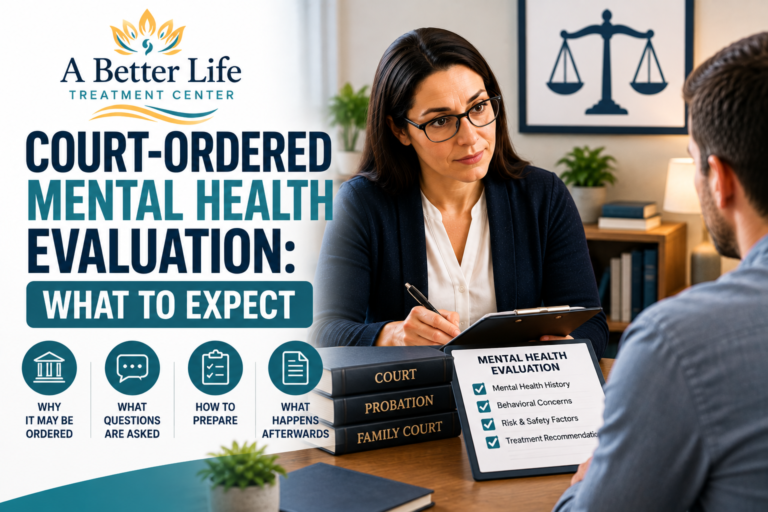
Most evaluations begin with a confidential interview where the evaluator learns about your history and current concerns.
The appointment may include:
- Review of referral paperwork
- Mental health history
- Medical history
- Family and social history
- Employment and educational background
- Current symptoms
- Standardized psychological screening tools
- Professional recommendations
Many appointments can be completed in one visit, although complex cases may require additional review.
What Questions Will I Be Asked?
Every evaluation is different, but common questions include:
- What brings you in for this evaluation?
- How have you been feeling emotionally?
- Have you experienced anxiety or depression?
- How are your relationships and support system?
- How is work or school going?
- Have you experienced trauma or significant stress?
- Are you taking any medications?
- Have you received counseling before?
What Does the Evaluator Look For?
Rather than focusing on one diagnosis, the evaluator considers your overall functioning across several areas of life.
- Emotional stability
- Decision-making abilities
- Coping skills
- Behavioral patterns
- Safety concerns
- Support systems
- Stress management
This comprehensive approach helps create recommendations that fit your individual circumstances.
How to Prepare for Your Evaluation
Before your appointment, gather any relevant documents and take a few minutes to think about your history.
Helpful items include:
- Court or attorney paperwork
- Referral letters
- Medication list
- Prior mental health records, if available
- Insurance or identification documents
Most importantly, arrive rested and prepared to discuss your experiences openly.
What Happens After the Evaluation?
After reviewing the interview and assessment results, the evaluator prepares professional recommendations.
Depending on your situation, these may include:
- No further services
- Individual counseling
- Medication consultation
- Psychological testing
- Family therapy
- Stress management resources
- Additional behavioral health services
If the evaluation was requested by a court or agency, documentation may also be prepared for the appropriate recipient.
FAQ: Mental Health Evaluations
What is a mental health evaluation?
A professional assessment of emotional, behavioral, and psychological functioning used to guide recommendations or meet legal and professional requirements.
How long does a mental health evaluation take?
Many evaluations take 45–90 minutes, although complex cases may require additional review.
Can a court order a mental health evaluation?
Yes. Courts may request evaluations in criminal, family, custody, probation, or other legal matters.
Will I receive a diagnosis?
Not always. The purpose of the evaluation is to assess your functioning and provide appropriate clinical recommendations.
Is the evaluation confidential?
Yes, although reports may be shared with courts or agencies when authorized or legally required.
Can I complete a mental health evaluation online?
Virtual evaluations may be available in many situations, but acceptance depends on the requesting court or agency.
Schedule a Confidential Mental Health Evaluation
Whether you need a court-ordered evaluation, professional documentation, or personal guidance, A Better Life Treatment provides compassionate, confidential mental health evaluations designed to meet your needs.